Tourism Dirham for Dubai holiday homes: rates, examples and monthly filing (2026)
Every night a guest stays in your Dubai holiday home, a Tourism Dirham fee is due to the Department of Economy and Tourism (DET). Guests pay it, but you're the one who collects it and reports it each month. It's simple once you know the rules, and it's the cost new hosts most often forget. Here's how much it is, how to work it out, and how to stay on top of it.
 By Maryam & Arya, Hostwise · Updated 25 November 2026 · 7 min read
What is the Tourism Dirham?
The Tourism Dirham is a fee DET charges for every night a guest stays in tourist accommodation in Dubai, from hotels to holiday homes. For holiday homes, it's charged per occupied bedroom, per night.
- Guests pay it. It's a charge on the guest's stay, not a cost you're meant to absorb.
- You collect it and pass it on. As the host, you're responsible for collecting it from guests and paying it to DET.
- It's a fee, not a tax. Airbnb's rules for Dubai hosts say it should always be described as a fee rather than a tax in anything you give guests.
- The fee waiver doesn't cover it. DET has waived holiday home permit and registration fees until 30 April 2027, but the Tourism Dirham still applies to every stay.
How much is it?
The rate depends on the classification you chose when you registered the unit with DET:
| Classification | Tourism Dirham |
|---|---|
| Standard | AED 10 per occupied bedroom per night |
| Deluxe | AED 15 per occupied bedroom per night |
The 30-night rule: the fee is collected for a maximum of 30 nights of a consecutive stay. A guest who stays 45 nights pays it for the first 30 only.
Counting bedrooms: when guests book the whole apartment, hosts normally count every bedroom in the unit, and a studio counts as one bedroom. If you're unsure how a particular booking should be counted, check with DET.
Not sure which classification your unit has, or which to choose? See Standard or Deluxe in our permit guide.
How to work it out: examples
The formula is: bedrooms × rate × nights (up to 30 nights per stay).
| Booking | Calculation | Tourism Dirham |
|---|---|---|
| Studio, Standard, 4 nights | 1 × AED 10 × 4 | AED 40 |
| 1-bedroom, Standard, 3 nights | 1 × AED 10 × 3 | AED 30 |
| 2-bedroom, Deluxe, 5 nights | 2 × AED 15 × 5 | AED 150 |
| 2-bedroom, Standard, 45 nights | 2 × AED 10 × 30 (30-night maximum) | AED 600 |
Over a month: a one-bedroom Standard apartment with 22 booked nights in a month owes about 22 × AED 10 = AED 220 for that month. Over a year at 70% occupancy, that's about 255 nights, or around AED 2,550 that passes through your hands to DET.
Who pays, and how to show it to guests
Airbnb's rules for Dubai hosts say that you, the host, are responsible for collecting the Tourism Dirham from your guests, and that it should be shown clearly as a separate charge on every invoice or receipt you give a guest, as well as on your price lists.
In practice:
- Tell guests before they book. Mention the Tourism Dirham and how it's charged in your listing, so it's never a surprise.
- Show it separately. Don't hide it inside the nightly rate on receipts. List it as its own line.
- Check what your platform offers. Airbnb and Booking.com handle fees and charges differently, and their options change. Follow the platform's current rules for collecting local fees, and don't ask guests to pay outside the platform unless its rules allow it.
- Keep a record for every stay: dates, nights, bedrooms and the amount, so your monthly figure is easy to check.
Monthly filing: by the 15th
You report and pay the Tourism Dirham to DET every month, by the 15th, for the stays in the previous month. For example, November's stays are due by 15 December.
- Register every guest at check-in in the DET holiday homes system. Your registered stays are what your Tourism Dirham is based on, so missing or wrong registrations mean a wrong amount.
- Check the month's stays against your booking calendar at the start of the month. Look for cancellations, date changes and long stays over 30 nights.
- Review and pay the amount due in the DET system before the 15th.
- Keep the payment confirmation with your monthly records.
Set a reminder for the 10th. It gives you a few days to fix anything before the deadline. Paying late can bring a penalty. Some guides report 10% of the unpaid amount with a minimum of AED 1,000, so check the current penalty with DET and don't leave it to the last day.
Build it into your pricing
Even though guests pay the Tourism Dirham, it still affects your bookings. Guests compare the total cost of a stay, so a listing with a higher nightly rate plus fees can look expensive next to a similar one. Make sure your nightly rate, cleaning fee and Tourism Dirham together are competitive for your area.
If you're choosing between Standard and Deluxe, remember the difference adds up: a two-bedroom Deluxe unit charges guests AED 10 a night more than a Standard one. Our pricing guide explains how to get the total price right, and our profitability guide shows the full costs of hosting.
7 common mistakes
- Forgetting it exists. New hosts focus on the permit and forget the monthly fee, then find a backlog.
- Not registering every guest. If a stay isn't registered, your records and DET's won't match.
- Using the wrong rate. Deluxe units pay AED 15, not AED 10. If you change classification, update your pricing and records too.
- Charging beyond 30 nights. Long stays only pay for the first 30 consecutive nights.
- Calling it a tax. Describe it to guests as a fee, and show it as a separate line.
- Assuming the fee waiver covers it. The waiver is for permit and registration fees only.
- Mixing it up with VAT. VAT is separate. If you're VAT-registered, ask your tax adviser how to show both on your invoices.
Monthly checklist
- Every guest registered in the DET system at check-in
- Last month's stays checked against your booking calendar
- Right rate used: AED 10 Standard or AED 15 Deluxe per occupied bedroom per night
- Long stays capped at 30 nights
- Amount reviewed and paid in the DET system by the 15th
- Payment confirmation saved with your records
Want your hosting set up right from day one?
In a 60-minute Ask the Owl session (AED 299 until 30 November, normally AED 499), we go through your permit, Tourism Dirham, guest registration and pricing for your own unit, and answer your questions. We don't manage properties or take a cut of bookings. You stay in control.
Book a sessionFAQ
How much is the Tourism Dirham for holiday homes in Dubai?
AED 10 per occupied bedroom per night for Standard holiday homes, and AED 15 for Deluxe. It's charged for a maximum of 30 nights of a consecutive stay.
Who pays the Tourism Dirham, the guest or the host?
The guest pays it. The host is responsible for collecting it from guests, showing it as a separate charge, and paying it to DET every month.
When do I pay the Tourism Dirham to DET?
Monthly, by the 15th, for the previous month's stays. Set a reminder for the 10th so you have time to check your figures.
Is the Tourism Dirham covered by the DET fee waiver?
No. DET has waived holiday home permit and registration fees from 1 May 2026 to 30 April 2027, but the Tourism Dirham still applies to every stay.
Do I pay the Tourism Dirham for long stays?
Only for the first 30 nights of a consecutive stay. A 45-night stay in a one-bedroom Standard unit is charged 30 × AED 10 = AED 300.
Is the Tourism Dirham the same as VAT?
No. The Tourism Dirham is a DET fee per occupied bedroom per night. VAT is a separate 5% tax that applies only if you're VAT-registered. If you are, ask your tax adviser how to show both on invoices.
What happens if I file the Tourism Dirham late?
Late payment can bring a penalty. Some guides report 10% of the unpaid amount with a minimum of AED 1,000. Check the current penalty with DET and pay before the 15th.
Official sources
About the authors
Maryam, Founder & Holiday Home Advisor at Hostwise. Maryam advises Dubai owners and operators on DET permits, setup, pricing and listings.
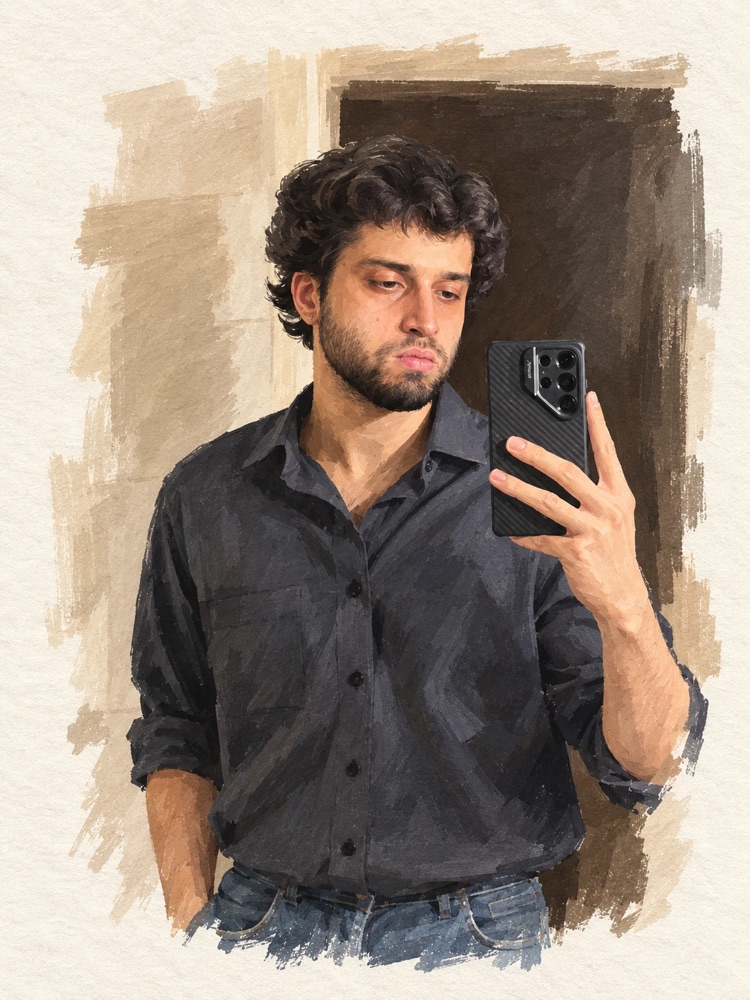
Arya, Operations Advisor at Hostwise. Arya has three years' experience managing holiday homes in Dubai Marina, JBR and Downtown, specialising in pricing and guest communication.
Hostwise is an independent advisory. We don't manage properties or take a cut of bookings. Meet the team
Last updated 25 November 2026. This guide is general information, not legal or tax advice. Rates and rules are as published at the time of writing, including Airbnb's rules for Dubai hosts. Holiday home rules and fees in Dubai change, so always confirm current requirements with the Department of Economy and Tourism (DET) and, for VAT, the Federal Tax Authority. Airbnb is a trademark of Airbnb, Inc.; Hostwise is not affiliated with Airbnb.